
COVID-19 Resource Library
In these unprecedented times, evidence shows that COVID-19 poses a great risk to older people and those with existing chronic conditions. In the midst of growing tensions and uncertainty, the rights and ability of older people to access testing, health and other social services that prevent growing isolation are often overlooked; while global, national and regional and emergency preparedness plans do not adequately focus on the safety of older people.
This platform aims to inform and drive policy discussions through highlighting the views of thought leaders in various associated fields.
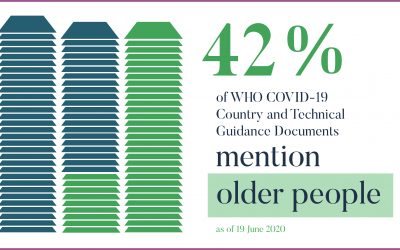
WHO Country and Technical Guidance – COVID-19: Update on Consideration of Older People
As the world continues to face an unparalleled health crisis, older persons have become one of the most visible victims. This could not be more evident than when looking at the percentages of deaths in long-term care facilities around the globe.
WHO Country and Technical Guidance – COVID-19: Analysis of the Focus on Older People
In an effort to support the further development of targeted guidelines, the IFA has sought to understand where and how the unique needs of older people are being addressed in the WHO’s COVID-19 Country and Technical Guidance documents.

Long-term Care Homes in Canada
Greg Shaw, Director, International Corporate Relations at the International Federation on Ageing, calls against anyone tempted to move their family member out of a care home at...

Recording: IFA Virtual Town Hall “COVID-19 Global Effects on Older People” 3 April 2020
A link to the recorded IFA Virtual Town Hall “COVID-19 Global Effects on Older People” from 3 April 2020, hosted by Dr. John Beard.
Open letter to World Health Organization (and to Member States). WHO must prioritize the needs of older people in its response to the Covid-19 pandemic
With reference to the Covid-19: open letter to WHO and member states (“the Open Letter”) by P. Lloyd-Sherlock et al, the International Federation of Ageing and others have collected signatories to support this Open Letter.